.png)
.png)
Understanding Dutch Road Rules for Cyclists
Cycling is an integral part of Dutch culture, with the Netherlands boasting one of the most extensive cycling infrastructures in the world. As a cyclist in this beautiful country, understanding the road rules is crucial for your safety and the safety of others. This guide will walk you through the essential rules and regulations that every cyclist should know when navigating the Dutch roads.
The Importance of Cycling in the Netherlands
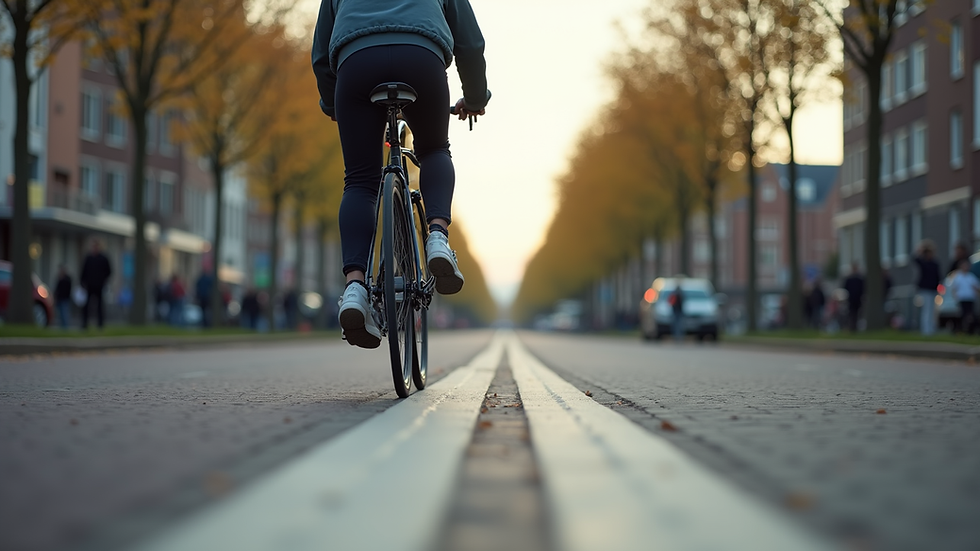
Cycling is not just a mode of transportation in the Netherlands; it is a way of life. With over 23,000 kilometers of dedicated bike paths, the country is designed to accommodate cyclists of all ages and skill levels. The Dutch government actively promotes cycling as a sustainable and healthy means of transport, making it essential for both locals and visitors to understand the rules that govern this activity.
Understanding the Road Signs
Common Cycling Signs
Familiarizing yourself with the various road signs is crucial for safe cycling. Here are some common signs you will encounter:
Bicycle Path: Indicated by a blue sign with a bicycle symbol, this sign shows that you are on a designated bike path.
No Entry for Motor Vehicles: This sign allows cyclists to enter areas where motor vehicles are prohibited.
Yield to Pedestrians: Cyclists must give way to pedestrians at crossings.
Traffic Lights for Cyclists
In many cities, traffic lights are specifically designed for cyclists. These lights often have a separate signal that indicates when it is safe to proceed. Always pay attention to these signals, as they are crucial for maintaining order on the road.
Rules of the Road
Riding on the Right Side
In the Netherlands, cyclists must always ride on the right side of the bike lane. This rule helps maintain a smooth flow of traffic and reduces the risk of accidents. If there is no bike lane, cyclists should ride as close to the right edge of the road as possible.
Using Hand Signals
Just like motor vehicles, cyclists are required to use hand signals to indicate turns and stops. Here’s how to signal:
Left Turn: Extend your left arm straight out.
Right Turn: Extend your right arm straight out or bend your left arm at a 90-degree angle.
Stopping: Extend your left arm downward.
Using hand signals not only keeps you safe but also informs other road users of your intentions.
Wearing Helmets
While wearing a helmet is not mandatory for adults in the Netherlands, it is highly recommended. For children under the age of 18, wearing a helmet is required. A helmet can significantly reduce the risk of head injuries in case of an accident.
Navigating Intersections
Roundabouts
When approaching a roundabout, cyclists must yield to traffic already in the roundabout. However, once you are in the roundabout, you have the right of way over vehicles entering. Always be cautious and signal your exit.
Traffic Lights
At intersections with traffic lights, cyclists must obey the same signals as motor vehicles. If the light is red, you must stop. Some cities have special bike traffic lights that may operate differently, so always be vigilant.
Parking Your Bicycle
Designated Bicycle Racks
Always park your bicycle in designated bike racks. Parking in unauthorized areas can result in fines or your bike being removed. Many cities have ample bike parking facilities, so take advantage of them.
Locking Your Bicycle
To prevent theft, always lock your bicycle securely. Use a sturdy lock and consider locking both the frame and the wheels to a fixed object.
Dealing with Weather Conditions
Rain and Wet Roads
Cycling in the rain is common in the Netherlands. When riding in wet conditions, be extra cautious. Reduce your speed, increase your following distance, and avoid sudden movements. Remember that brakes may take longer to respond on wet surfaces.
Winter Cycling
During winter, snow and ice can make cycling challenging. If conditions are hazardous, consider alternative modes of transport. If you must cycle, use tires designed for winter conditions and be prepared for slower speeds.
Safety Tips for Cyclists
Stay Visible
Visibility is key to staying safe on the road. Wear bright or reflective clothing, especially during low-light conditions. Consider using lights on your bicycle, as they are required by law when cycling at night.
Be Aware of Your Surroundings
Always stay alert and aware of your surroundings. Watch for pedestrians, other cyclists, and vehicles. Avoid using headphones while cycling, as they can distract you from important sounds around you.
Respect Other Road Users
Cyclists share the road with pedestrians and motor vehicles. Always show respect to others by following the rules and being courteous. This includes giving way to pedestrians at crossings and not weaving in and out of traffic.
Conclusion
Understanding Dutch road rules for cyclists is essential for a safe and enjoyable cycling experience. By familiarizing yourself with the signs, signals, and regulations, you can navigate the roads confidently. Remember to stay visible, be aware of your surroundings, and respect other road users. With these tips in mind, you can fully embrace the cycling culture of the Netherlands and enjoy all the beautiful sights it has to offer.
Now that you are equipped with the knowledge of Dutch cycling rules, it’s time to hop on your bike and explore the scenic routes that await you!


Comments